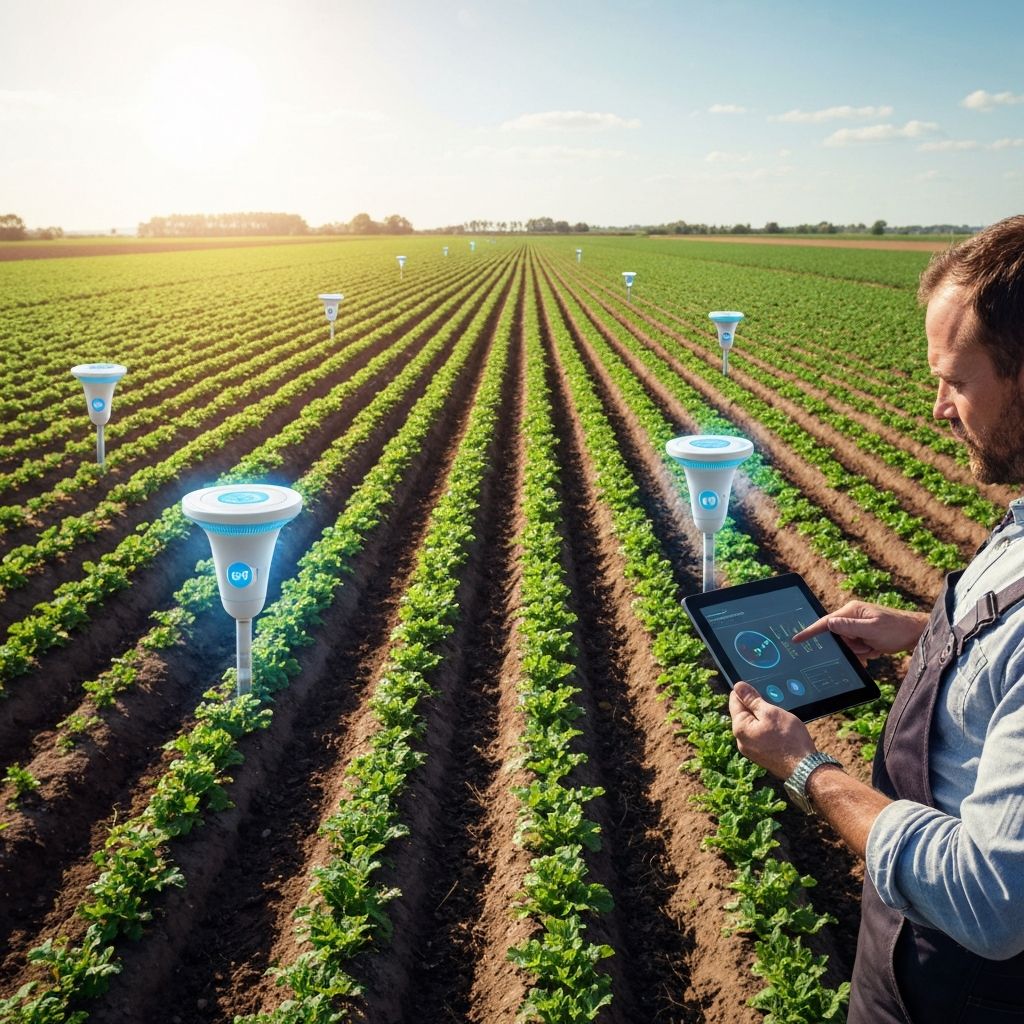
Agriculture remains the backbone of many East African economies, employing significant portions of the workforce and contributing substantially to GDP. The application of predictive analytics in this sector holds immense potential for improving productivity and livelihoods.
The Challenge
Ethiopian farmers face numerous challenges:
- Variable rainfall and changing climate patterns
- Limited access to market information
- Resource constraints around inputs like fertilizer and seeds
- Post-harvest losses from storage and logistics issues
The Analytical Approach
By combining multiple data sources—satellite imagery, weather data, soil information, and historical yield records—predictive models can provide actionable insights:
- Optimal planting times based on predicted weather patterns
- Fertilizer recommendations tailored to specific fields
- Early warning of pest and disease outbreaks
- Yield forecasts to inform marketing decisions
Results and Impact
In pilot implementations, farmers using data-driven recommendations saw meaningful improvements in yields while often reducing input costs. Perhaps more importantly, they gained greater confidence in their planning and decision-making.
Lessons Learned
Success requires more than good models—it demands attention to delivery channels, user trust, and integration with existing practices. The most effective solutions meet farmers where they are, often through mobile-based interfaces and trusted agricultural extension workers.